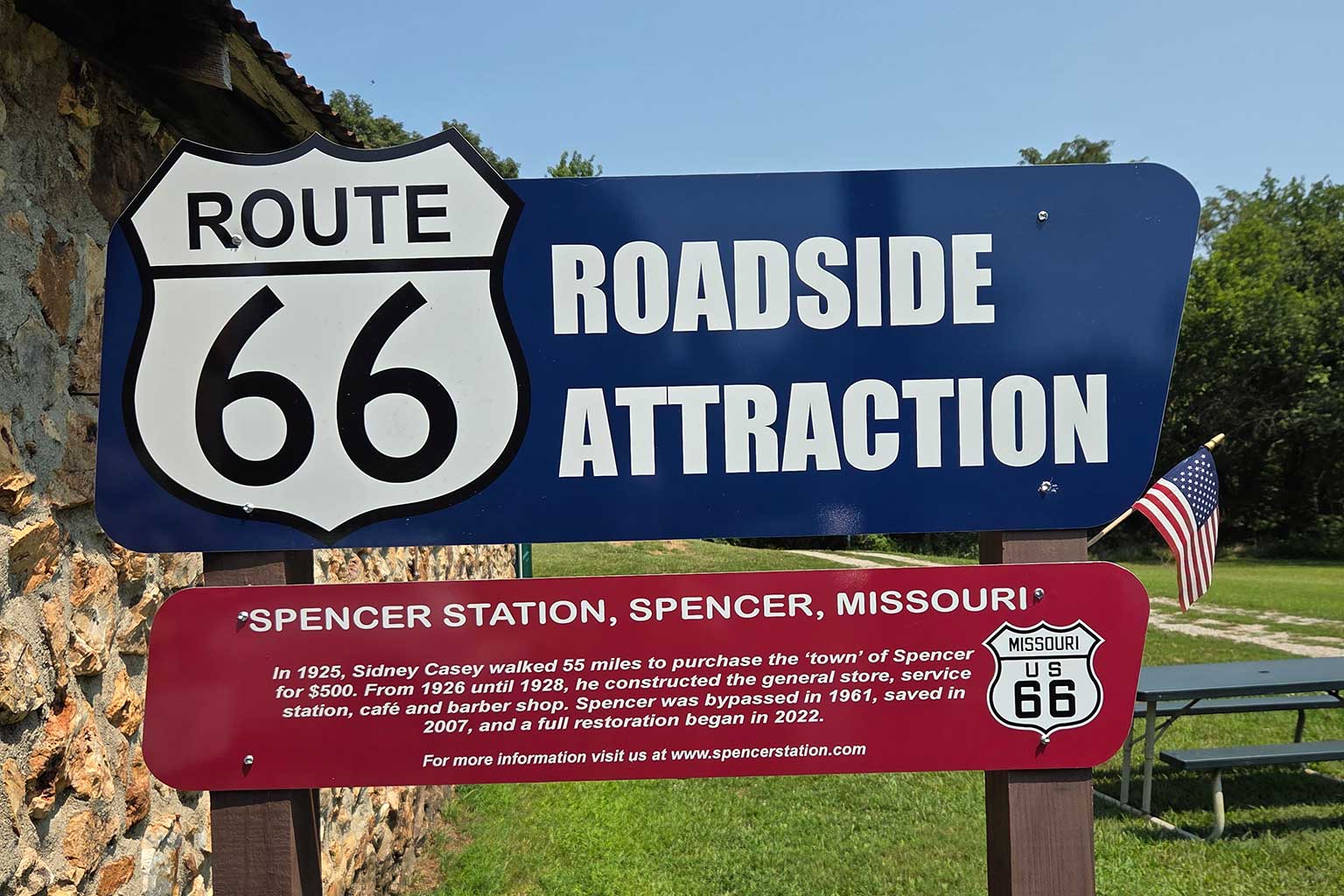
You can tell a lot about America from what survives beside the road. A glowing motel sign in the Texas Panhandle, a tribal trading post in New Mexico, a weathered gas station in Illinois - these are the route 66 cultural landmarks that turn a long drive into something far more personal. They are not just places to photograph. They are evidence of migration, music, design, industry, resilience, and the stubborn romance of the open road.
Why route 66 cultural landmarks matter
Route 66 is often sold as nostalgia, and yes, there is plenty of that. Chrome stools, vintage pumps, faded postcards, and diners that still know how to pour a proper cup of coffee all play their part. But the real power of the road is cultural. This highway connected small towns to major cities, Indigenous lands to expanding tourist routes, and local traditions to a national idea of freedom.
That means the best landmarks are not always the biggest or flashiest. Sometimes the most memorable stop is a mural that tells a town's story, a family-run cafe that has outlasted interstates and chain restaurants, or a simple bridge that carried generations westward. Route 66 compresses a huge slice of American history into one ribbon of pavement. If you travel it well, you do not just see the country. You feel how it changed.
The route 66 cultural landmarks that define the journey
Some places become symbols because they are beautiful. Others because they are stubborn. Route 66 has both.
Chicago's beginning and the promise of the road
For many travelers, the emotional start is Chicago. The city gives Route 66 its urban heartbeat. Before the deserts, mesas, and neon courts, there is architecture, rail history, blues, immigrant neighborhoods, and the feeling that you are setting out from one of America's great gateways.
This matters because Route 66 was never only about remote landscapes. It was built to connect working cities with farming communities, motels, diners, and frontier towns farther west. Starting in Chicago reminds you that the road was part of everyday American life before it became legend.
The Chain of Rocks Bridge and the industrial Midwest
In the St. Louis area, the Chain of Rocks Bridge captures another side of the story. It is a striking piece of engineering, but what stays with most travelers is the atmosphere around it. This is Route 66 as an artery of commerce and movement, running through the industrial Midwest and carrying families, workers, dreamers, and drifters toward something new.
Bridges like this are easy to underrate if you are chasing the postcard version of the Mother Road. But transportation history is cultural history. The bridges, stations, and old road alignments reveal how America built mobility into its identity.
Springfield, Tulsa, and the small-city soul of Route 66
Across Missouri and Oklahoma, Route 66 settles into a rhythm that many travelers fall in love with. Springfield, Tulsa, and a long string of smaller communities preserve the human scale of the journey. Old theaters, restored facades, local museums, and classic motor courts all speak to a period when towns competed to welcome passing travelers.
Tulsa in particular shows how the road intersects with oil wealth, Art Deco style, and the rise of car culture. That blend is a big part of what makes Route 66 culturally rich. The road is not one thing. It is a collage of regional identities stitched together by movement.
Cadillac Ranch and the art of roadside reinvention
Near Amarillo, Cadillac Ranch is one of the most famous stops on the entire route. Purists sometimes dismiss it because it is not a classic 1920s or 1930s landmark. But that misses the point. Route 66 has always reinvented itself, and Cadillac Ranch reflects the playful, rebellious, public-art side of American road culture.
It is messy, democratic, and impossible to keep static. Visitors leave paint, marks, jokes, and little pieces of themselves behind. That spirit matters. Route 66 is not a frozen museum. The best landmarks still invite participation.
The U-Drop Inn and Texas neon culture
Also in Texas, the U-Drop Inn in Shamrock is one of those places that feels like a movie set until you remember it is the real thing. Its architecture and neon styling capture the golden age of automobile travel, when gas stations and cafes were designed to catch the eye from the highway and promise comfort after a long day on the road.
This is where design becomes culture. The curves, colors, and signage were not accidental. They expressed optimism, mobility, and a new American obsession with driving farther than the previous generation ever imagined.
New Mexico's trading posts, pueblos, and layered histories
New Mexico changes the emotional register of the trip. The landscapes widen, the light sharpens, and the cultural story becomes deeper and more layered. Here, route 66 cultural landmarks often sit close to places with histories far older than the highway itself.
Gallup, Albuquerque, and Santa Fe reveal a meeting point of Native American traditions, Hispanic heritage, railroad history, and mid-century tourism. Trading posts, adobe architecture, railroad hotels, and old downtown corridors remind you that Route 66 did not create culture out of nowhere. It passed through places that already carried powerful identities.
This is also where travelers should slow down and pay attention. Not every stop should be treated as a nostalgic novelty. Some places ask for more respect and context. That is part of traveling the route well.
The Wigwam Motel and the theater of the roadside
In Holbrook, Arizona, the Wigwam Motel is pure Route 66 imagination made physical. It is whimsical, photogenic, and undeniably fun, but it also says something serious about the era that produced it. Along this road, businesses needed personality. A standard room was not enough. You needed a giant sign, a wild concept, or a memorable shape to pull travelers off the pavement.
That created a kind of roadside theater that still defines Route 66's appeal. Sleep in a wigwam, eat under neon, pose beside a dinosaur, and suddenly the journey becomes larger than transportation. It becomes performance, memory, and story.
Winslow, Flagstaff, and the high-country contrast
Arizona offers some of the route's strongest contrasts. Winslow carries railroad history and pop-culture fame, while Flagstaff brings mountain air, old hotels, and a downtown that still feels anchored in the classic road era. Between them, you get a sense of how Route 66 crosses not just states, but moods.
This stretch also reminds travelers that the Mother Road is not all desert heat and cactus silhouettes. Pine forests, volcanic landscapes, and high-elevation towns are part of the experience too. That variety is one reason so many people return home surprised by how emotionally broad the trip feels.
Santa Monica and the end that is really a beginning
At the western edge, Santa Monica gives travelers the symbolic finish line they have been chasing for days or weeks. The pier, the ocean air, and the sense of arrival all matter. But culturally, the ending works because it brings the whole American arc into focus - from the industrial East to the Pacific edge, from city streets to tribal lands to desert towns and back into a major coastal metropolis.
The finish is satisfying, but it can also feel unexpectedly reflective. By the time you reach the water, the road has usually become more than a vacation. It has become a moving portrait of the country.
How to experience these landmarks well
The biggest mistake travelers make is treating Route 66 like a checklist. If you rush from sign to sign, you will get the photos and miss the point. The road rewards time. Stay in the older motels when you can. Talk to the owner of the diner. Walk a downtown block instead of just parking for five minutes. Read the murals. Step inside the museum even if it looks small.
It also helps to accept that not every landmark will hit the same way. Some are iconic because they are visually dramatic. Others matter because of the story they carry. If you are riding a motorcycle, the sensory side of the road often makes the cultural stops feel even sharper - the smell of rain on hot pavement, the sudden drop in temperature at elevation, the glow of neon after sunset. If you are traveling by car, you have the comfort and flexibility to detour, linger longer, and absorb more local detail. It depends on the kind of memory you want to build.
After 14 years of helping travelers cross this road, Route 66 Tours INC knows the landmarks people remember most are rarely the ones they expected. Yes, they love the famous signs and the classic photo stops. But just as often, they talk about a conversation in a small-town cafe, a quiet evening outside an old motor court, or the moment a stretch of forgotten pavement made the whole road suddenly feel alive.
That is the beauty of Route 66. Its cultural landmarks are not trapped in the past. They are still out there doing what they have always done - giving travelers a reason to stop, look closer, and carry a piece of the road home with them.