The first time you roll out of Chicago with the Route 66 shield ahead of you, the trip stops being an idea and becomes a story you are living. Neon signs, old motels, railroad towns, wide-open prairie, red desert, and the Pacific all wait down the road. When you book a self drive Route 66 tour, you keep that feeling of freedom while leaving the complicated planning to people who know the Mother Road mile by mile.
A self-guided car journey is not a watered-down version of Route 66. For many travelers, it is the best way to experience it. You have air conditioning when the Mojave is blazing, room for your luggage and roadside treasures, protection when the weather turns, and the simple pleasure of choosing when to linger. Stay longer over pie in a small-town diner. Pull over for every painted mural. Take the photo when the light is right.
Why book a self drive Route 66 tour?
Route 66 is famous for its sense of escape, but it also crosses eight states and more than 2,400 miles of changing landscapes. That scale is part of the magic. It can also make planning feel like a second job if you try to arrange every overnight stop, driving day, and must-see detour alone.
A well-organized self-drive tour gives you a thoughtful route, selected hotels, a reliable vehicle, and clear daily direction without putting you on somebody else’s clock. You are independent, but you are not left guessing which stretches are worth your time, where historic Route 66 has been replaced by interstate, or how far to drive before the day stops being fun.
That balance matters. The road is at its best when you have enough structure to relax into the experience. Instead of spending dinner scrolling through maps and reviews, you can listen to the jukebox, trade stories about the day, and look forward to tomorrow’s horizon.
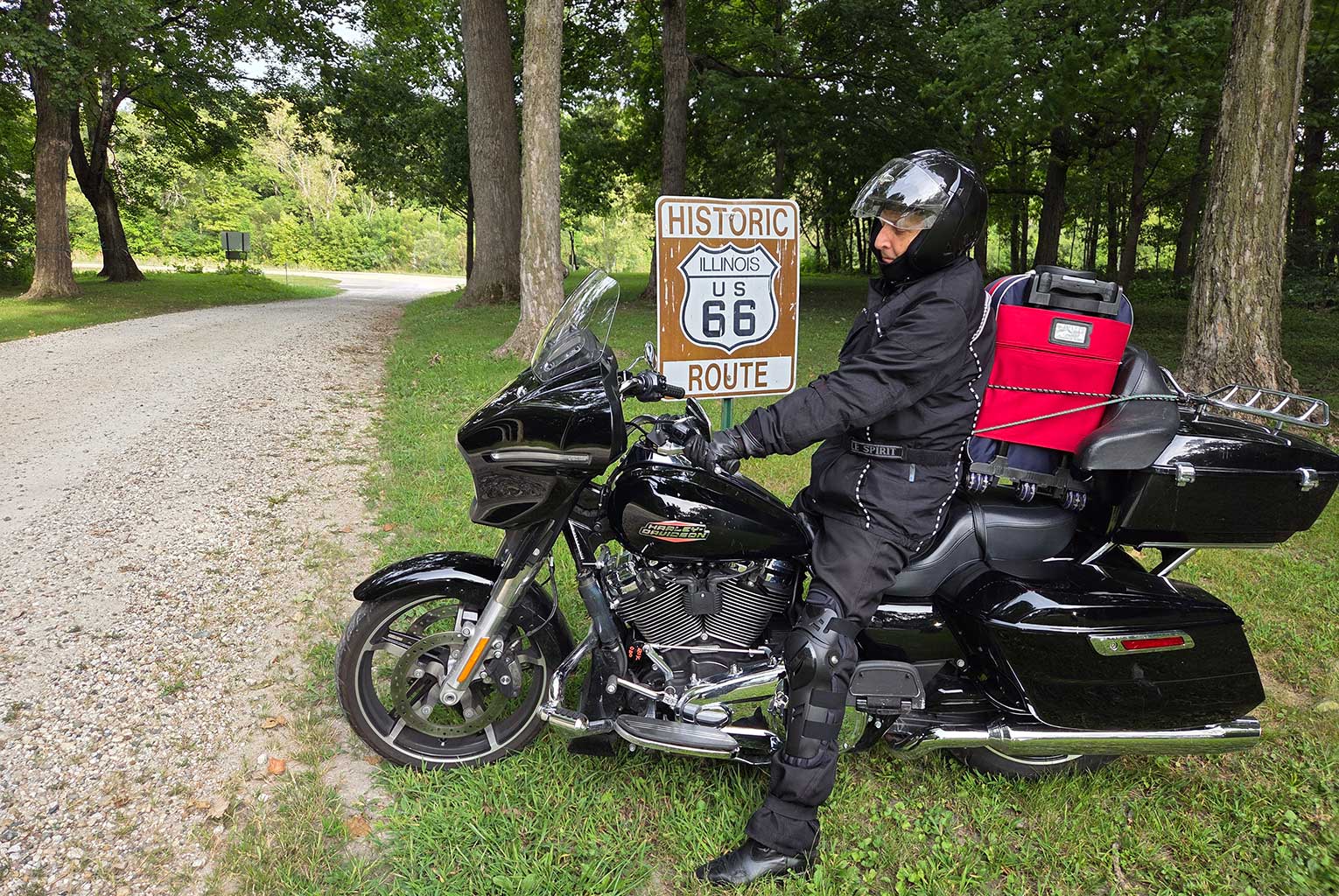
For couples, friends, and solo travelers, a car also makes the trip especially comfortable. You can carry a cooler, extra layers, souvenirs, and camera gear without compromise. Travelers who love the romance of a motorcycle journey but prefer a windshield, a sound system, and climate control often find that a self-guided car tour lets them enjoy Route 66 for longer, with fewer weather-related worries.
Choose the Route 66 journey that fits your time
There is no single “right” Route 66 trip. The full Chicago-to-Santa Monica journey is the grand American crossing, but it asks for time. A two-week itinerary can cover the route at a satisfying pace for travelers who are comfortable with longer driving days. Three weeks or more allows room for unhurried mornings, meaningful detours, and the unexpected moments that often become the best memories.
If your vacation is shorter, a regional Route 66 adventure can still feel wonderfully complete. Chicago to St. Louis brings you into the route’s early Midwestern character: brick roads, classic diners, and the beginning of the open-country pull west. Oklahoma and Texas offer roadside icons, friendly towns, and a strong dose of old Americana. New Mexico and Arizona bring turquoise skies, trading posts, ancient landscapes, and some of the route’s most cinematic miles. California delivers desert drama before the road reaches the Pacific.
The choice depends on what you want most. If crossing America is the dream, give the full route the time it deserves. If you are drawn to desert landscapes, Native American history, and classic motels, focus on the Southwest. A shorter trip should not try to race through every state just to say it did. Route 66 rewards curiosity, not speed.
East to west or west to east?
Most travelers choose east to west because it follows the classic Route 66 story from Chicago toward California. The scenery expands gradually: city streets give way to farmland, then plains, high desert, mesas, mountain passes, and finally the ocean. There is real emotional power in ending at Santa Monica Pier with the Pacific in front of you.
West to east has its own appeal, especially for travelers arriving through the Southwest. You begin with California sunshine and desert grandeur, then watch the country become greener, older, and more urban as you head toward Chicago. Neither direction is wrong. What matters is building the trip around your flights, available time, and the places that call to you.
What a good self-guided tour should handle
Independence only feels easy when the essential details are in place before you arrive. The strongest self-drive packages do more than hand you a map. They turn an enormous route into a trip that feels personal and manageable.
Your itinerary should set out realistic daily distances and point you toward the Route 66 experiences that are easy to miss: a preserved service station, a hand-painted sign, a family-run cafe, a vintage motel, or a viewpoint just beyond the interstate. It should also recognize that the historic route does not always run as one continuous road. In some areas, alignments have changed or disappeared, and local knowledge makes all the difference.
Hotel selection deserves the same care. After a long day behind the wheel, you want a comfortable place to reset, ideally in or near a town where the evening still has character. The best overnight stops are not merely convenient. They help carry the story forward, whether that means a neon-lit motor court, a downtown hotel near live music, or a peaceful desert town under a sky full of stars.
Vehicle arrangements matter, too. A car gives you flexibility, but it should suit your group and your luggage. Two people traveling light may be perfectly happy in a compact vehicle. Couples planning to shop for artwork, western wear, or souvenirs may appreciate extra trunk space. Families and groups should prioritize room and comfort over the smallest possible rental price. Long driving days make a comfortable car a worthwhile part of the experience.
Route 66 Tours INC brings 14 years of focused Route 66 experience to this kind of planning, with real people available to help shape a journey around your pace and priorities. That specialist knowledge is valuable on a road where the famous sights are only part of the story.
Leave space for the road to surprise you
A planned itinerary should guide the trip, not trap it. Some days you will move efficiently, checking off a stretch of road and arriving with time for dinner. Other days, a conversation at a gas station, an antique store window, or a sign pointing to a local museum will change the plan. Build room for those moments.
Start driving early when you can, particularly in the desert. Morning light is beautiful, temperatures are kinder, and roadside attractions are often quieter. Keep water in the car, especially across Arizona and California. Fuel up sensibly in remote areas rather than waiting for the gauge to become a problem. And do not assume every classic business keeps city hours. Small-town restaurants, museums, and attractions can have seasonal schedules, which is part of the route’s independent character.
You will also want to decide how much of the old road you want to follow. Historic alignments can be slower, narrower, and more rewarding than the interstate. On certain days, the interstate is the practical choice, particularly if weather, fatigue, or a hotel reservation calls for it. The point is not to prove something by driving every possible mile. The point is to feel the road.
Make the car part of the experience
Bring a playlist, but do not fill every mile with it. Route 66 has its own soundtrack: tires on old pavement, a train passing through a small town, screen doors, wind across the high desert, and the murmur of a diner at breakfast. Let the silence have a place, especially when the landscape opens wide.
Keep a small notebook in the glove box. Write down the name of the waitress who recommended a local stop, the town where you found the best pie, or the moment the red rocks appeared on the horizon. Photos capture the view. A few sentences preserve how it felt to be there.
The freedom is in the details
The beauty of a self-drive Route 66 tour is that it gives you both a direction and a choice. Your rooms are ready, the route is waiting, and the big logistics have been handled. Yet the day still belongs to you: the long lunch, the unexpected detour, the extra hour by the pool, the roadside attraction that makes you laugh harder than you expected.
Book enough time to slow down when the road asks you to. Route 66 has been calling travelers west for nearly a century, and it still has a way of giving back more than you planned for.