The first morning of a Route 66 trip can begin in a cool Chicago breeze, while a few days later you may be feeling desert heat roll through an open car window in Arizona. That contrast is the secret to how to pack for Route 66: pack for a long, changing journey, not one fixed destination. The right bag gives you freedom to enjoy the neon, diners, trading posts, small-town museums, and wide-open miles without digging through clutter every time the weather shifts.
This is not a trip for a suitcase full of “just in case” outfits. It is a trip for comfortable clothes that work twice, gear that handles real road days, and enough spare space for the things you will find along America’s most legendary highway.
How to pack for Route 66 without overpacking
Route 66 crosses climates, elevations, and eight states. You can encounter rain in the Midwest, humidity around Missouri, a sudden cool evening in New Mexico, and brilliant dry heat in the Southwest. The answer is not to bring one outfit for every possible forecast. It is to build a flexible system around layers.
Start with clothes that are comfortable in a vehicle and easy to repeat. A few breathable shirts, two or three pairs of practical pants or shorts depending on the season, and underwear and socks for about a week will serve most travelers well. Plan to do laundry once or twice on a full cross-country trip. That small decision keeps your luggage manageable and leaves room for the unexpected treasures that make Route 66 personal.
Bring a light long-sleeve layer for sun protection and cool mornings, a warmer mid-layer such as a fleece or lightweight sweater, and a genuinely waterproof outer shell. A waterproof shell matters more than a heavy coat for many spring, summer, and fall departures because it blocks wind and rain without taking over your bag. If you are traveling in winter or early spring, add a warmer insulated layer, especially for northern stretches and higher elevations.
Choose shoes with the road in mind. You will be walking old downtown blocks, pulling into gravel parking areas, climbing motel stairs, and standing for photos beside giant roadside icons. One pair of supportive walking shoes is essential. Add a second casual pair or sandals if space allows. Motorcycle travelers should bring approved riding boots that are comfortable enough to walk in after the day’s ride.
Pack for your way of traveling
The Route 66 experience changes depending on whether you travel by motorcycle or car. Both bring you close to the roadside, but the practical needs are different.
For motorcycle travelers
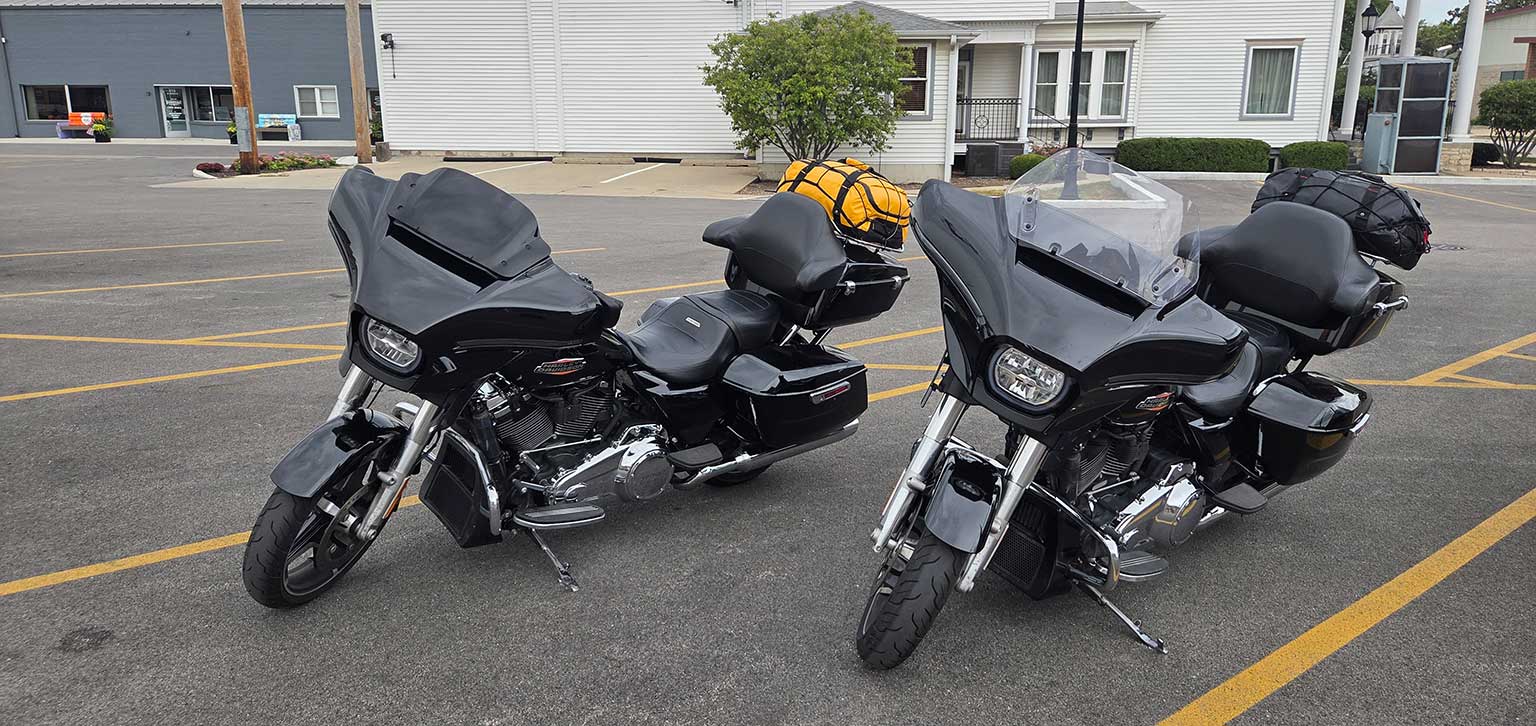
A motorcycle rewards disciplined packing. Your luggage needs to stay compact, balanced, and protected from rain. Soft-sided packing cubes are useful because they fit easily into saddlebags and make it simple to find a clean shirt at the end of a long day.
Your riding gear is not an afterthought. Bring a helmet that fits properly, protective riding jacket and pants, gloves for both warm and cooler conditions, rain gear, and sunglasses or a tinted visor appropriate for changing light. Desert sun can be intense, while mountain mornings and sudden storms can feel surprisingly cold. A neck gaiter or bandana earns its place too, helping with wind, dust, and temperature changes.
Do not pack every piece of riding gear in your closet. Instead, choose versatile items with ventilation, removable liners, or room for layers beneath. A well-planned riding jacket and waterproof shell can cover far more conditions than multiple bulky jackets.
For car travelers
A car gives you more room, but it can also invite overpacking. Keep the cabin clear enough that you can reach snacks, water, a light jacket, and your day bag without unloading half the trunk at every stop. One small overnight bag per traveler is often easier than hauling large suitcases in and out of motels.
A compact cooler is useful for water, fruit, and quick breakfast supplies, particularly on longer stretches where choices are limited. Keep a reusable water bottle within reach. On hot Southwestern days, hydration is part of enjoying the journey, not merely a sensible extra.
Car travelers can also bring a small comfort kit: sunscreen, hand sanitizer, tissues, lip balm, sunglasses, and a compact umbrella. These are simple items, but they make a difference when you are stepping from an air-conditioned vehicle into a windswept ghost town or a sunlit roadside attraction.
The essentials that protect the trip
Some items are easy to forget because they are not glamorous. They are also the items that keep a small inconvenience from stealing time from your adventure. Keep these together in a day bag or easy-to-reach pouch:
- Prescription medication, a basic first-aid kit, and any personal medical essentials
- Driver’s license, passport for international guests, travel documents, insurance details, and payment cards
- Phone, charging cable, portable power bank, and a car charger or motorcycle-compatible charging setup
- Sunscreen, sunglasses, refillable water bottle, and a small supply of snacks
- A printed itinerary or key reservation details, plus offline maps for areas with weak cell service
Carry copies of important documents separately from the originals. International travelers should keep their passport especially secure and avoid leaving it loose in a day bag or vehicle. It is a small precaution that brings welcome peace of mind across thousands of miles.
Leave room for the real Route 66
The best souvenirs on Route 66 are rarely planned. You may find a hand-painted sign in a small Oklahoma shop, a vintage postcard in New Mexico, a favorite local coffee mug, or a piece of art that reminds you of a sunset over the Mojave. If your suitcase starts full, every purchase becomes a problem. Begin with enough empty space to bring a piece of the road home.
This is also why quick-dry clothing and repeatable outfits are so valuable. Nobody remembers whether you wore a different shirt at every diner. They remember the jukebox playing in a corner booth, the smell of rain on hot pavement, and the conversation with the person who has been running the same roadside stop for decades.
A small journal is worth considering, even if you usually rely on your phone. Route 66 days can blur beautifully together. A few handwritten notes about a meal, a town name, or a strange roadside landmark become meaningful long after the photos have disappeared into your camera roll.
Dress for the season, not the postcard
Summer travelers should prioritize breathable fabrics, sun coverage, and plenty of water. Desert heat is serious, particularly in Arizona and California, and even short walks can feel demanding in the afternoon. Lightweight long sleeves, a hat, and sunscreen are often more useful than another tank top.
Spring and fall are favorite seasons for many Route 66 travelers because the temperatures can be more forgiving. They also demand the most layering. A bright, comfortable day can turn chilly after sunset, especially in higher country. Check the forecast as your departure approaches, but do not let a forecast encourage overpacking. Keep the layer system and adjust only the weight of your warm pieces.
Winter travel requires more planning. Parts of the route can bring snow, ice, and cold winds, while the Southwest may remain comparatively mild. If you are on a guided motorcycle departure, the tour team can help you understand the conditions and gear expectations. Route 66 Tours INC has spent years helping travelers prepare for these contrasts, because the road is never quite the same twice.
Make packing part of the anticipation
Lay everything out a few days before departure, then remove one-third of the clothing you first selected. It sounds bold, but most travelers are happier with lighter bags and fewer decisions each morning. Wear your bulkiest shoes and jacket on travel days, and keep your first-night essentials accessible in case you arrive tired.
Then leave a little room in the bag and a little room in the plan. Route 66 has a way of rewarding travelers who can stop when a faded sign catches the eye, linger over pie at a family-run diner, or take the longer road toward a sunset. Pack smart, travel light, and let the Mother Road provide the rest.