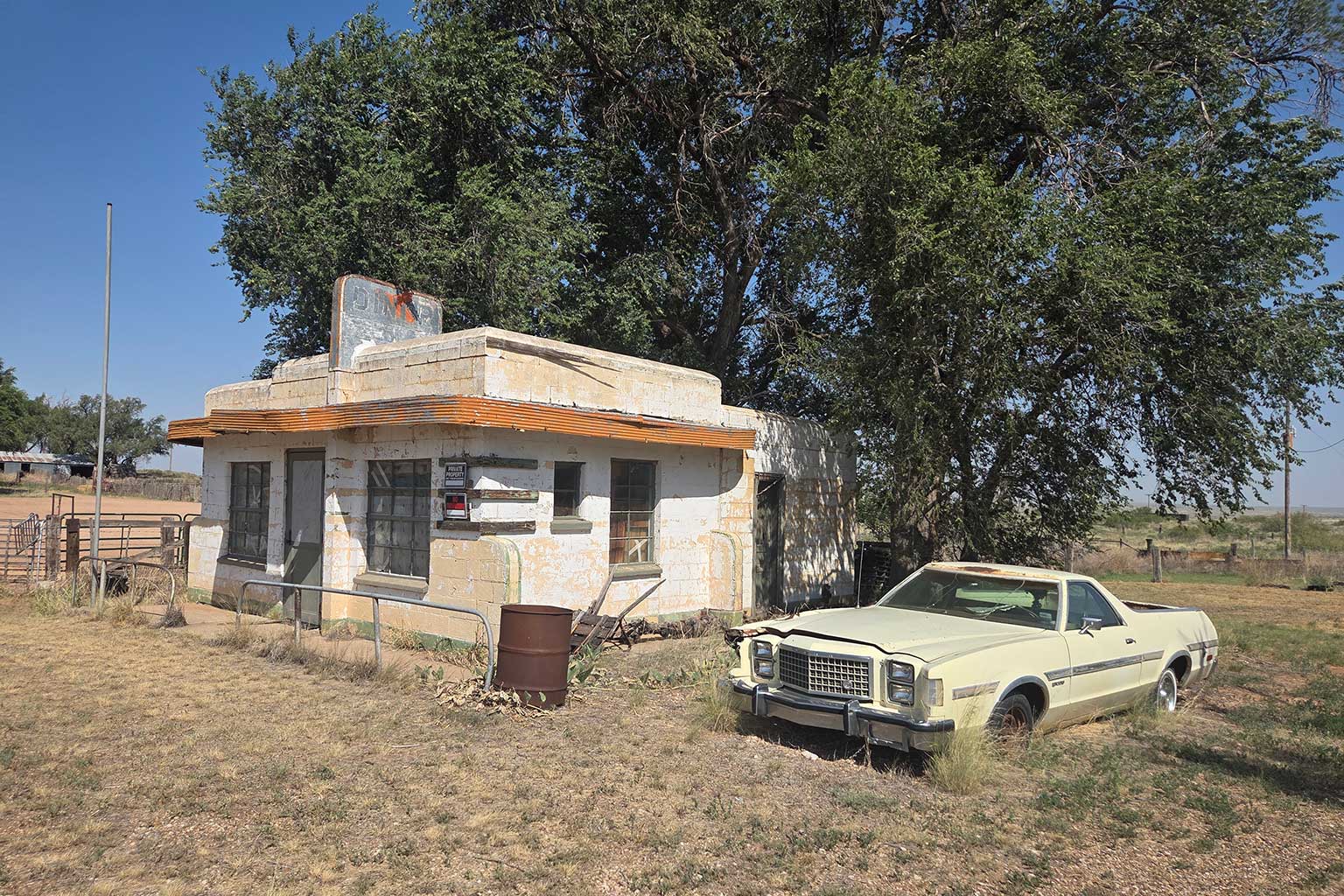
Some trips are vacations. A route 66 bucket list trip is something else entirely. It is the kind of journey people talk about for years before they finally do it, then talk about for years after because no photo quite captures the feeling of rolling into a neon-lit town at dusk or watching the landscape open wide between one state line and the next.
Route 66 is not just a road. It is a moving portrait of America - diners, trading posts, ghost signs, motor courts, big skies, red rock, prairie light, railroad towns, and the odd roadside attraction that somehow becomes a treasured memory. If this trip has been sitting in the back of your mind for a long time, the real question is not whether it is worth doing. It is how to do it well.
What makes a Route 66 bucket list trip worth it
The best Route 66 journeys are not measured only by miles covered. They are measured by contrast. Chicago gives you the bold beginning, all city energy and historic significance. Missouri and Kansas ease you into classic Americana. Oklahoma and Texas bring the road-trip rhythm into focus. New Mexico and Arizona deliver the desert drama most people secretly dream about. California gives you that emotional final stretch, where the Pacific feels less like a destination and more like a reward.
That variety is the magic. On one trip, you can eat pie in a small-town diner, stand under restored neon, ride through mountain air, cross open plains, and watch the sun go down over the Mojave. Few travel experiences offer that much change without losing their identity. Route 66 does.
There is also the human side of it. A good Route 66 trip is full of conversations you did not expect - with museum owners, motel hosts, local characters, and fellow travelers chasing the same dream in their own way. That is part of why people put it on a bucket list in the first place. The road feels iconic, but the memories often come from the smaller, quieter moments.
The classic route 66 bucket list trip, state by state
You can drive or ride the Mother Road in different ways, but the full east-to-west journey has a special pull. It feels earned.
Illinois to Missouri
Chicago is the proper starting point because it gives the journey a sense of occasion. You are not just leaving a city. You are setting out across a continent. Once you begin heading southwest, Route 66 starts showing its personality through old gas stations, vintage signs, and towns that still understand what this road means.
Missouri adds curves, river country, and a deeper sense of road history. St. Louis brings scale and energy, but some of the most memorable stretches come outside the city, where the road settles into a steadier pace and the scenery begins to shift.
Kansas to Oklahoma
Kansas gets only a small piece of Route 66, but that is part of its charm. It feels like a collectible chapter - short, classic, and easy to remember. Then Oklahoma opens things up. Here, the road becomes deeply rooted in the story of migration, resilience, and westward hope.
This is one of the strongest states for travelers who want a deeper historical connection, not just scenery. The towns, museums, and preserved landmarks help explain why Route 66 became more than a highway.
Texas to New Mexico
The Texas Panhandle gives you that bold, open-road feeling people imagine when they picture America from abroad. Big horizon, long light, classic roadside stops, and a sense that the road can keep unfolding forever.
Then New Mexico changes the mood. The land becomes more textured, the culture becomes more layered, and the road begins to feel less like a straight line and more like a story. Albuquerque, Santa Fe's influence nearby, old adobe architecture, Native American heritage, and desert color all give this section a distinct soul.
Arizona to California
For many travelers, Arizona is where a route 66 bucket list trip reaches its emotional peak. This is where the road and the landscape finally become one. You get pine forests in the high country, old railroad towns, unforgettable stretches of preserved road, and desert views that seem built for long-distance travel. Towns like Seligman and Williams keep the spirit of old Route 66 alive in a way that feels joyful rather than staged.
California delivers the closing act. The Mojave can feel harsh, beautiful, and strangely peaceful all at once. By the time you reach the Santa Monica end point, you understand why finishing the route feels so personal for so many people. It is not just arrival. It is completion.
What belongs on your must-do list
If you are building this trip around highlights alone, you risk missing the road itself. The best bucket list version balances headline stops with time to absorb the in-between places.
Yes, you should seek out the classic diners, restored motels, neon signs, old bridges, and legendary roadside icons. You should stand on a quiet stretch of original pavement and imagine the generations that crossed it before you. You should stop for local food instead of rushing to chain restaurants. And if you have the time, you should stay overnight in towns that still glow after dark. Route 66 is at its best when you let the day stretch into evening.
But the real must-do is slower than that. It is giving yourself room for spontaneity. A painted wall, an abandoned station, a conversation beside an old pickup, a corner shop full of local stories - those are not always the stops people plan, but they are often the ones they remember most.
Guided motorcycle tour or self-guided car trip?
This depends on what kind of freedom you want.
A guided motorcycle tour has a powerful appeal, especially for riders who have dreamed about crossing America on a Harley-style machine. There is camaraderie in riding with a group, confidence in having the route organized, and relief in knowing the logistics are handled by people who know the road. You get to focus on the ride, the landscapes, and the shared experience instead of worrying about every booking and turn.
A self-guided car tour suits travelers who want flexibility, weather protection, more luggage space, and a lower overall cost. It is a strong fit for couples, independent travelers, and anyone who wants the full Route 66 story without the intensity of riding every mile on two wheels. You still get the nostalgia, the small towns, the diners, and the wide-open country, but with a different kind of comfort.
Neither option is better in every case. If riding the Mother Road has been your lifelong image of the trip, the motorcycle experience can feel unmatched. If you want more ease, privacy, and freedom to move at your own pace, the car trip can be the smarter choice. The right format is the one that lets you stay present for the journey instead of wrestling with the parts you do not enjoy.
When to go, and what people often get wrong
Most travelers do best in spring or fall. Temperatures are kinder, the light is beautiful, and long driving or riding days feel more comfortable. Summer has the advantage of longer days, but parts of the route can be intensely hot, especially in the Southwest. If you love desert landscapes but do not love heat, timing matters.
One common mistake is trying to cram the whole route into too few days. You can cover the distance quickly, but you will not really experience Route 66 that way. This is a road that rewards pauses. Another mistake is assuming the famous stops are enough. They are not. The atmosphere between them is part of what you came for.
Travelers also underestimate fatigue. A cross-country trip sounds romantic because it is, but it still requires stamina. Long days, changing weather, and constant sensory input can wear you down if you overschedule. A better trip usually has a few intentionally lighter days built in.
Why this trip stays with people
After 14 years of helping travelers experience this road, one thing remains true: people arrive expecting nostalgia and scenery, but they leave talking about feeling something bigger. Route 66 makes distance feel meaningful. It gives shape to time. It reminds you that travel can still be slow enough to notice things and wide enough to change your mood from one horizon to the next.
A bucket list trip should not feel like a box checked. It should feel like a chapter added. If Route 66 has been calling to you for years, trust that instinct. Take the trip while it still feels exciting, while the open road still means possibility, and while America still has this one remarkable highway that turns motion into memory.