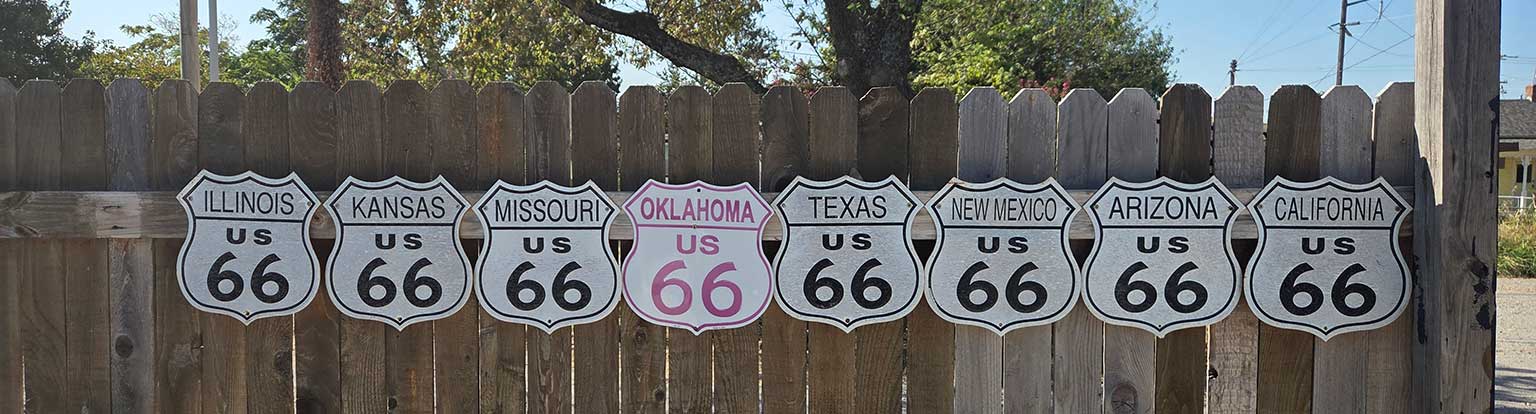
The moment you roll out of Chicago, the ride becomes more than a line on a map. This Route 66 motorcycle tour itinerary example follows the Mother Road west for 15 riding days, from neon-lit Illinois diners to the Santa Monica Pier, with time for the places that give the journey its soul. It is built for riders who want the big American crossing without turning every day into an endurance test.
Route 66 is not a single unbroken highway anymore. It is a patchwork of historic alignments, old main streets, quiet two-lane stretches, interstate connectors, and detours that reward a little patience. That is part of its character. A good motorcycle itinerary leaves room to stop when an old motel sign, a roadside mural, or a local storyteller calls you off schedule.
A 15-Day Route 66 Motorcycle Tour Itinerary
This westbound plan covers roughly 2,450 miles across eight states. Most days land between 140 and 250 miles, enough to feel the road beneath you while still arriving with energy for a walk around town, a good meal, and a cold drink with fellow travelers.
Day 1: Chicago, Illinois
Arrive in Chicago, settle into your hotel, and meet the people sharing the road ahead. The official beginning of Route 66 is at Adams Street, near the famous Route 66 sign. Before the kickstands go up tomorrow, take in the city skyline, talk through the riding plan, and let the anticipation build. You are about to trade tall buildings for cornfields, deserts, mountains, and Pacific light.
Day 2: Chicago to Springfield, Illinois
The first riding day brings you through the Illinois countryside, with classic Route 66 bridges, small towns, and old roadside businesses setting the tone. Stop in Pontiac for its Route 66 murals and museum atmosphere, then continue toward Springfield, Abraham Lincoln country. It is an easy opening day, and that is intentional. Let your body settle into the motorcycle and your mind settle into the rhythm of the road.
Day 3: Springfield to St. Louis, Missouri
Ride south through old Illinois towns where brick storefronts and vintage gas stations still tell the story of family road trips. At the Mississippi River, cross into Missouri and make your way to St. Louis. The Gateway Arch is a fitting sight on a westbound journey: a steel promise of everything waiting beyond the horizon.
Day 4: St. Louis to Rolla, Missouri
Missouri offers some of the most enjoyable remaining two-lane Route 66 riding. You will pass through communities such as Cuba, known for its murals, and travel stretches where the road feels wonderfully removed from modern speed. Rolla makes a practical overnight stop, but the day is about the small discoveries between the major names.
Day 5: Rolla to Joplin, Missouri
Today has a more relaxed, back-road character. Lebanon, with its giant rocking chair and old Route 66 spirit, makes a memorable pause. As you approach Joplin, you will begin to feel the landscape opening up. The dense eastern greenery slowly gives way to the wider, sunlit spaces of the central plains.
Day 6: Joplin to Oklahoma City, Oklahoma
Oklahoma is packed with Route 66 history. The road passes through Afton, Chelsea, and Tulsa before continuing toward Oklahoma City. This is a day for classic roadside Americana: painted signs, independent cafes, restored filling stations, and conversations with people who know exactly why travelers still come looking for the Mother Road.
Day 7: Oklahoma City to Amarillo, Texas
Leave Oklahoma City and cross western Oklahoma, where the sky seems to get bigger by the mile. Historic Route 66 sections lead through towns such as Clinton, Elk City, and Texola before Texas welcomes you with broad horizons and a different kind of road-trip energy. Amarillo is a natural place to spend the night, with plenty of old-school personality after a full day in the saddle.
Day 8: Amarillo to Santa Rosa, New Mexico
Start the morning with one of Route 66's most famous oddball landmarks, Cadillac Ranch, then head west into New Mexico. The terrain changes quickly. The plains pull back, the light sharpens, and the desert starts to announce itself. Santa Rosa, home to the clear blue waters of the Blue Hole, is a refreshing and unexpected stop in this dry country.
Day 9: Santa Rosa to Santa Fe, New Mexico
This is a shorter day by design. Route 66 did not originally run directly through Santa Fe, but the city is worth the detour for its adobe architecture, galleries, red chile, and deep Southwestern character. A lighter mileage day also gives riders time to recover, explore, and appreciate the shift from the Midwest's roadside culture to New Mexico's layered Hispanic, Native American, and frontier history.
Day 10: Santa Fe to Gallup, New Mexico
Ride south to rejoin the Route 66 corridor, then travel west through Albuquerque and across high-desert country. The elevation can surprise first-time riders. Days may be warm, while mornings and evenings feel cool, even in seasons when the desert sounds hot on paper. Gallup has long been a Route 66 overnight town and carries a strong connection to Native American arts and trading history.
Day 11: Gallup to Holbrook, Arizona
Cross into Arizona, where the ride becomes cinematic. Petrified Forest National Park and the Painted Desert offer colors that do not look real until you see them from the roadside: rust, lavender, gold, and deep blue under a huge sky. Holbrook is known for its classic motor-court charm, including the kind of lodging that makes you feel you have stepped into an old postcard.
Day 12: Holbrook to Flagstaff, Arizona
From Holbrook, Route 66 rises toward Flagstaff. The change in temperature and scenery is dramatic, moving from desert country into ponderosa pine forest at high elevation. Winslow is a required stop for many riders, whether they come for the music reference, the corner, or simply the pleasure of standing in a town that has embraced its place in American road-trip folklore.
Day 13: Flagstaff to Kingman, Arizona
This is one of the great riding days. From Flagstaff, consider a detour to the Grand Canyon if it is not already part of your plan, then continue west toward Seligman. Here, Route 66 preservation feels personal. The signs are bright, the storefronts are eccentric, and the welcome is sincere. From there, the road drops through classic Arizona landscapes toward Kingman.
Day 14: Kingman to Barstow, California
Ride the legendary stretch through Oatman, where burros wander the street and the road twists through the Black Mountains. It is slow-going in places, but it should be. This is not a day to chase a mileage record. Cross the Mojave Desert with water, sunscreen, and respect for the heat, then reach Barstow with the feeling that California is finally close enough to touch.
Day 15: Barstow to Santa Monica, California
The final day moves through Southern California's changing landscape toward the Pacific. The original Route 66 has several urban alignments here, and traffic can be part of the experience. Then comes Santa Monica Pier, the End of the Trail sign, and the moment every westbound rider remembers. After days of open country, the ocean feels less like a destination than a reward.
How to Make This Itinerary Work on a Motorcycle
Fifteen riding days is a strong pace for many travelers, but it is not the only right pace. Riders who want Grand Canyon time, extra museum stops, or more rest days should allow 17 to 20 days. If your priority is covering the route efficiently, a two-week version is possible, though it asks for longer days and fewer unplanned stops.
The best riding window is generally late spring or early fall. Summer can bring intense desert heat, thunderstorms across the plains, and crowded attractions. Early spring and late fall offer quieter roads, but mountain areas around Flagstaff can be cold, and weather may change quickly. Your gear needs to handle both extremes: ventilated layers for the Mojave and something warm for high-elevation mornings.
Do not treat fuel as an afterthought, especially in western Arizona and California. Fill up when you have the chance, keep water accessible, and download navigation for areas with unreliable service. Route 66 signage is helpful but not perfect. Historic alignments often split from the faster road, and following them can add time while delivering the very experiences you came for.
For riders who want the freedom of the open road without carrying every logistical detail alone, a guided format can make the trip feel lighter. Route 66 Tours INC organizes the hotels, route planning, support, and shared experiences, while preserving the feeling that you are still riding across America under your own power.
Leave Space for the Road to Surprise You
A Route 66 motorcycle journey works best when the itinerary is a framework, not a stopwatch. Stop for the pie in a town you had never heard of. Take the older road when the interstate looks faster. Listen when a diner owner tells you which stretch of pavement is worth seeing at sunset.
By the time you reach Santa Monica, you may remember the famous signs and landmarks. But the moments that stay with you tend to be smaller: the smell of rain on an Oklahoma highway, the first cool pines near Flagstaff, the laughter at a motel parking lot, and the simple fact that, for a while, the road was all yours.