The dream usually starts with a single picture in your head: a long stretch of two-lane road, a loaded bike, a motel sign glowing at dusk, and the feeling that for once, there is nowhere to be except the next town on Route 66. If you want to plan a Route 66 motorcycle trip, that dream needs a little structure behind it. The Mother Road rewards good planning, but it never feels overplanned when you are out there rolling through desert light, old gas stations, neon diners, and the small-town heart of America.
Route 66 is not just one road you hop on and follow from start to finish. Parts are preserved, parts were folded into interstates, and parts are easy to miss if you do not know where to look. That is why planning matters. The goal is not simply to get from Chicago to Santa Monica. The goal is to ride the best surviving sections, leave room for the unexpected, and build a trip that fits your pace, budget, and riding style.
When to plan a Route 66 motorcycle trip
Timing shapes the whole experience. Route 66 crosses eight states, and the weather changes dramatically along the way. What feels cool and green near Illinois and Missouri can turn brutally hot in Arizona and the California desert. A beautiful spring ride in one state can mean storm risk in another.
For most riders, late spring and early fall are the sweet spots. May, early June, and September often offer the best balance of manageable temperatures, longer daylight, and lively roadside stops. July and August can still be done, but you need to be realistic about desert heat, fatigue, and hydration. If you are set on a summer departure, shorter riding days become more than a comfort choice. They are a safety choice.
How much time you have matters just as much as the season. A full end-to-end ride deserves at least two weeks, and three is better if you want time to enjoy the places that make Route 66 special. You can rush it, but that usually turns a legendary ride into a mileage challenge. Route 66 is at its best when you can stop for the giant roadside sign, the family-run diner, the restored trading post, and the quiet stretch of old pavement that feels untouched by time.
Choose your Route 66 style
Before you book anything, decide what kind of ride you actually want. Some riders want the classic full crossing from Chicago to Santa Monica. Others want to focus on a section, such as the Southwest stretch through New Mexico and Arizona, where the landscapes feel cinematic and the Route 66 identity is especially strong.
There is also the question of how independent you want to be. A fully independent trip gives you flexibility and privacy. You set the pace, choose the stops, and make room for detours. That freedom is a big part of the appeal for many riders. The trade-off is that you handle every hotel, navigation decision, luggage detail, and mechanical concern yourself.
A guided motorcycle tour changes the experience. You give up some spontaneity, but in return you gain structure, support, local knowledge, and the comfort of knowing the route has been built by people who understand the road deeply. For many international travelers and first-time Route 66 riders, that peace of mind is worth a lot. Route 66 Tours INC has built its reputation around exactly that balance - real adventure with experienced organization behind it.
Build an itinerary that respects the road
The biggest mistake riders make is planning the trip around distance alone. On a map, some days may look easy. On Route 66, they rarely are. You will hit towns worth walking, museums worth an hour, photo stops you did not expect, and old alignments that demand slower riding and more attention.
A better approach is to think in riding days that leave margin. Some days can be longer, especially where the route is more direct, but many should stay comfortable enough to let the trip breathe. If every day is packed, the road starts to feel like a deadline.
Key sections to think about
Illinois and Missouri ease you in with classic Americana, old bridges, and a strong sense of history. Oklahoma has some of the richest Route 66 culture anywhere, with memorable small towns and deep roadside character. Texas gives you open space and sky, plus a different rhythm to the ride. New Mexico shifts the mood with high desert scenery and Native and Hispanic cultural influences. Arizona is often where the route becomes unforgettable for motorcycle travelers - long views, preserved road sections, and that unmistakable western light. California brings the emotional final chapter, especially if you have dreamed of ending at the Pacific.
Not every town needs an overnight stay, and not every famous stop will matter equally to you. Some riders want neon, old motels, and quirky roadside attractions. Others want scenery, local history, and the riding itself. Plan the route around what you will remember, not what a generic checklist says you should see.
Get the motorcycle side right
Any long ride demands bike prep, but Route 66 adds a few wrinkles. Heat, wind, rougher road sections, and long daily distances can expose weak spots fast. If you are riding your own bike, have it inspected well before departure, not the week before. Tires, brakes, fluids, battery health, and suspension all deserve attention. If the tires are borderline, replace them. Route 66 is not the place to stretch another thousand miles out of worn rubber.
Luggage deserves the same honest look. Pack for changing conditions without loading the bike like a moving truck. Riders often underestimate how much the weather can swing between cool mornings, hot afternoons, and sudden rain. Layering works better than bulky gear, and good rain protection earns its place even if the forecast looks friendly.
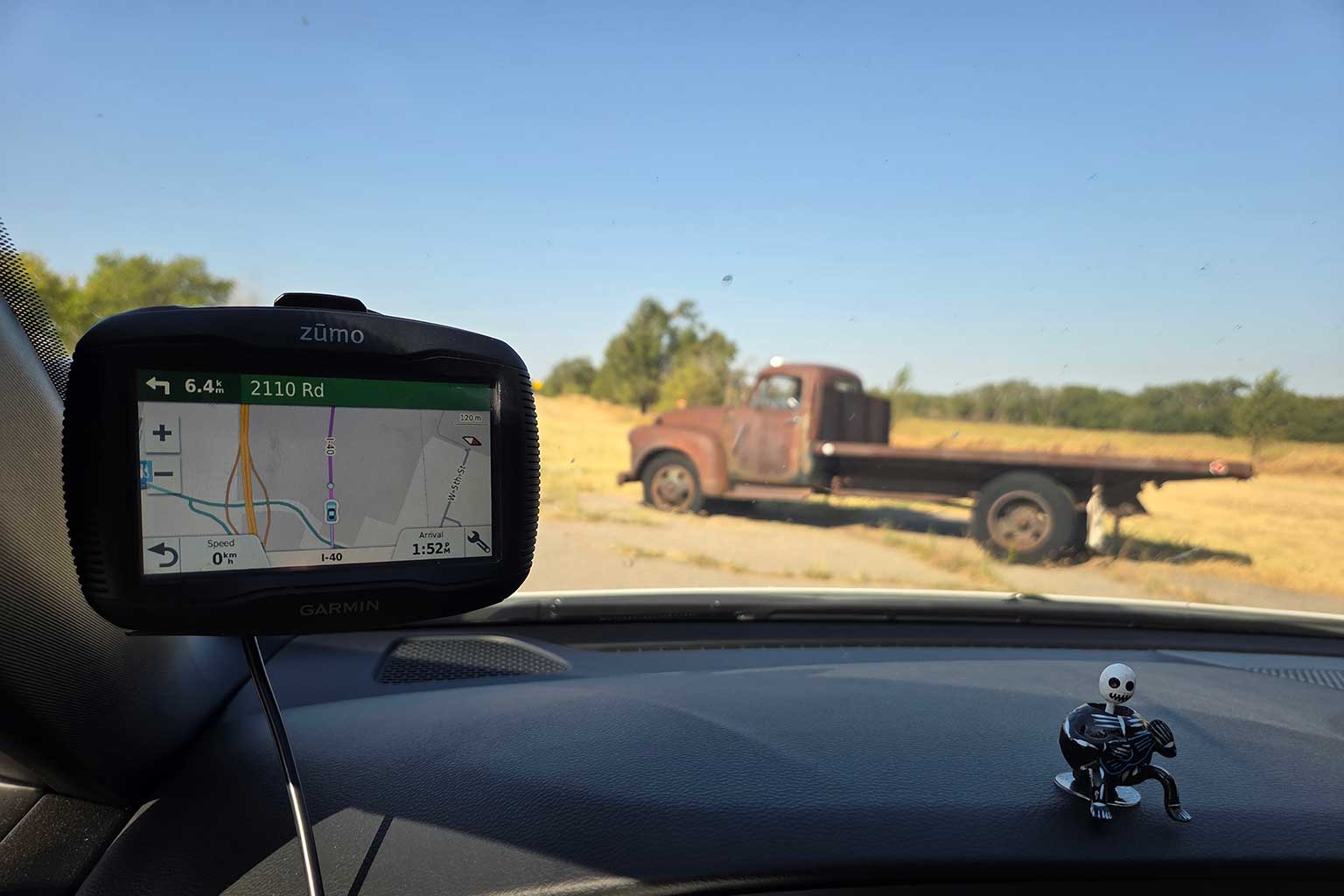
Navigation is another area where romance and reality need to meet. Yes, getting a little lost can become part of the story. But on Route 66, old alignments can disappear into city streets, frontage roads, or quiet backroads with little warning. Use a reliable GPS setup or detailed route planning on your phone, and carry backup power. Printed notes are not old-fashioned on a trip like this. They are smart.
Budget for the real trip, not the fantasy version
A Route 66 motorcycle trip can be done at different price points, but it is rarely as cheap as people hope. Fuel, hotels, meals, attraction stops, gear, and occasional surprises add up quickly. If you are renting a bike, that changes the picture even more.
The honest way to budget is to separate fixed costs from road costs. Fixed costs include bike rental if needed, flights, travel insurance, and any tour package. Road costs include gas, lodging, meals, admissions, parking, laundry, and the little purchases that become part of the experience. You will buy the T-shirt, the diner pie, the extra night in a town you did not want to leave. That is part of the trip.
This is one place where style really affects value. A self-organized ride can save money if you are disciplined and flexible. A guided ride can cost more upfront but remove a lot of expensive guesswork and stress. Neither option is automatically better. It depends on whether you value control, convenience, local insight, or support when things go sideways.
Book lodging with your route in mind
Route 66 lodging is part of the charm. Restored motels, classic motor courts, old downtown hotels, and family-run places often become favorite memories. But nostalgia should not replace practicality every night. After a long day in the saddle, secure parking, a decent shower, and a comfortable bed matter.
Try to mix character with comfort. In popular seasons, the most memorable places can fill early, especially in towns that are known Route 66 stops. If your itinerary is fixed, book ahead. If you want more spontaneity, at least reserve in the areas where options are limited.
There is also a rhythm question here. Some riders love unpacking every night and seeing a new town each day. Others enjoy staying two nights in a few key places to rest, explore, and ride lighter for a day. If this is your first long motorcycle trip in the American West, building in a couple of easier days is rarely a mistake.
Leave space for the heart of the journey
When people remember Route 66, they do not usually talk first about mileage or logistics. They talk about the retired station owner who stepped outside to tell stories. The burger place with walls full of license plates. The silent stretch of old pavement where the traffic disappeared and the country seemed to open up. The sunset over Arizona. The first glimpse of the Pacific after days of chasing the horizon.
That is the deeper reason to plan well. Good planning protects the emotional side of the trip. It gives you the freedom to notice what is around you instead of constantly solving problems.
If you are serious about this ride, start earlier than you think, be honest about your pace, and plan for the version of the trip you actually want - not the one that looks toughest on paper. Route 66 has a way of meeting riders halfway. Give it enough time, enough respect, and enough room to surprise you.