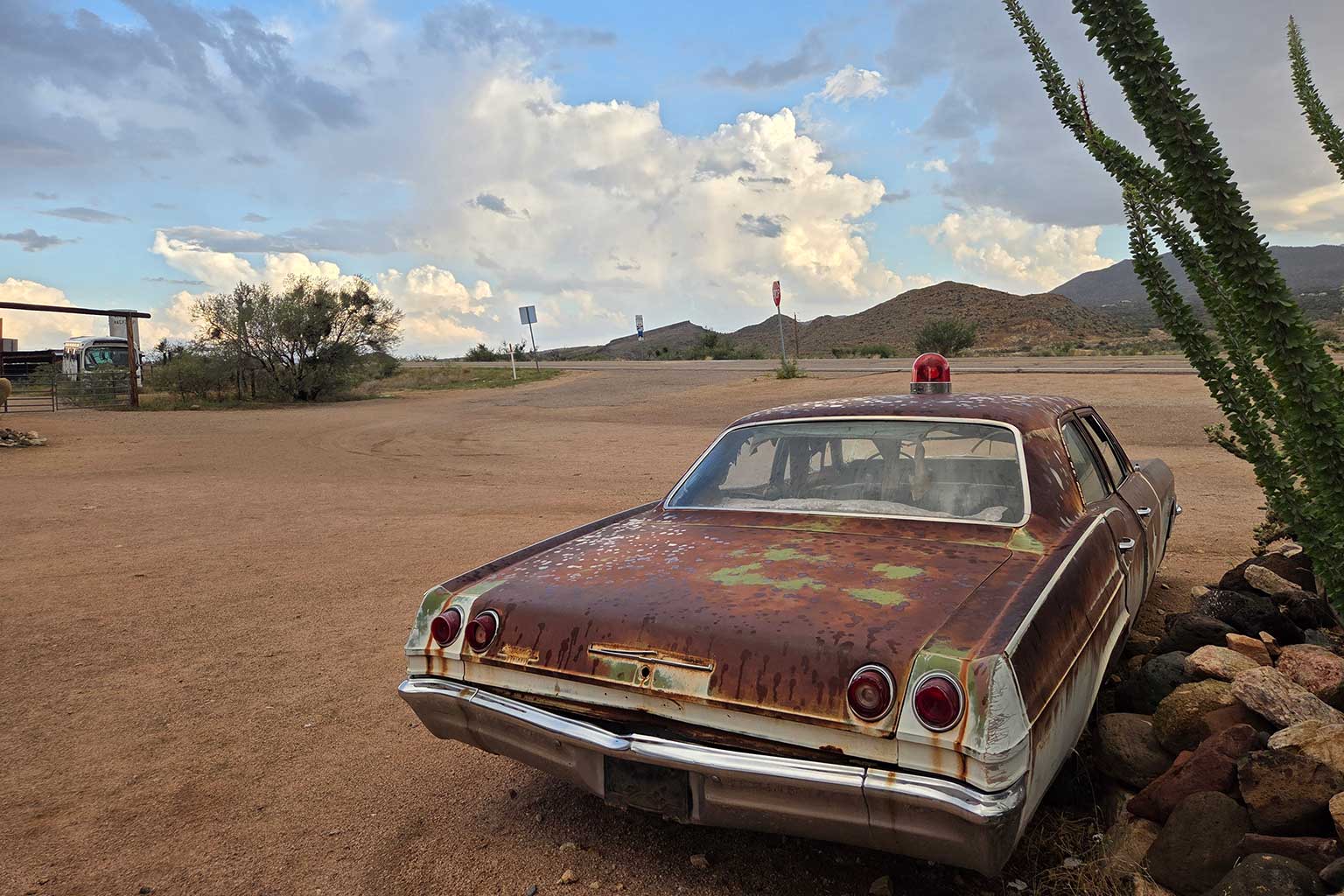
The light changes everything out here. One hour the land looks pale and wide open, almost quiet. Then late afternoon hits, the mesas turn red, the long shadows stretch across the road, and your route 66 desert scenery drive starts to feel less like a vacation and more like one of those journeys people talk about for years.
The desert stretches of Route 66 are where the Mother Road becomes pure atmosphere. Neon signs and diner stools matter, of course, but the open country between towns is what gives the trip its emotional weight. In Arizona, New Mexico, and eastern California, the road runs through landscapes that feel older, tougher, and bigger than any postcard can show. If you want the stretch of Route 66 that delivers space, silence, and that unmistakable American horizon, this is the part to savor.
Why the route 66 desert scenery drive matters
Not every scenic drive gives you the same kind of feeling. Mountain roads tend to impress you with drama. Coastlines charm you quickly. The desert works differently. It builds slowly, mile by mile, with huge skies, distant ridgelines, abandoned trading posts, and long ribbons of pavement that make you aware of how far you've traveled.
That is a big reason so many Route 66 travelers remember the Southwest most vividly. The desert puts the road in context. You understand why this highway became a legend when you see a classic alignment bending toward the horizon with almost nothing around it but rock, wind, and light. It is beautiful, but it is also honest. The distances are real. The weather matters. The old motels, gas stations, and roadside signs feel earned out here.
For motorcycle riders, these sections can feel especially powerful because the landscape is not behind glass. You smell the dry air, feel the temperature shifts, and notice every change in elevation. For car travelers, the desert offers a different advantage. You can cover serious ground in comfort while still having the freedom to stop often for photos, short walks, and those small old-road surprises that make the trip personal.
Best states for a Route 66 desert scenery drive
Arizona delivers the classic image
If someone has a picture in their head of Route 66 desert country, there is a good chance they are imagining Arizona. This is where the road feels cinematic. West of Seligman toward Kingman, the terrain opens into broad basins, volcanic forms, and long isolated stretches where the old road still carries the spirit of the original highway. The scenery is not lush, and that is exactly the point. It is spare, bold, and unforgettable.
Around Holbrook and Winslow, the landscape broadens again, with painted desert tones and a sense of enormous distance. This part of the trip pairs especially well with historic motels, railroad towns, and trading-post Americana. You are never just looking at scenery. You are moving through a living Route 66 story.
New Mexico brings texture and color
New Mexico often surprises travelers who expect a flat, empty drive. Some stretches are open and austere, but many are full of variation. Near Albuquerque and Santa Rosa, the land shifts in color and contour, and the sky seems to dominate everything. There is a softer, more layered beauty here, with mesas, plains, and a cultural atmosphere that blends Route 66 nostalgia with deep Southwestern identity.
Tucumcari is one of the best reminders that desert scenery on Route 66 is not only about nature. It is also about how towns rose from the landscape and created their own visual drama through signs, murals, and low-slung motor courts. The surrounding country gives those places their magic.
California feels raw and exposed
The eastern California stretch near Needles and the Mojave is for travelers who want to feel the true scale of the desert. This section can be stark, especially in warmer months, but it has a powerful beauty. The road cuts through a land of heat, wide valleys, and distant mountains with very little softness to dilute the experience.
It is not the easiest section if you dislike hot weather or long empty stretches. But if you want to feel that old-road sense of endurance, California's desert miles can be some of the most memorable on the entire route.
The best moments happen between the towns
A lot of people plan Route 66 by town names alone. That makes sense, but it misses the heart of the desert drive. The real magic often happens in the transition zones - leaving one place behind, watching the roadside thin out, and seeing the land take over.
The stretch from Seligman to Kingman is a perfect example. You get classic pavement, railroad presence, broad desert views, and the kind of roadside solitude that makes every vintage sign or abandoned structure stand out. Near Oatman, the road becomes more twisted and dramatic, with rugged hills that feel different from the straighter desert runs. It is scenic in a more theatrical way, and that contrast keeps the day interesting.
Farther east, the run through northern Arizona has a slower, expansive beauty. You pass old service stations, weathered towns, and open country that never feels rushed. If your instinct is to hurry toward the next famous stop, resist it. Some of the best memories come from pulling over with no agenda except to look around.
How to time your desert drive
Light matters more in the desert than almost anywhere else on Route 66. Midday can flatten the landscape, especially in summer. Early morning gives you cooler air, cleaner colors, and fewer people. Late afternoon is often the sweet spot, when the terrain starts glowing and every rock face gains depth.
Season matters too. Spring and fall are usually the most comfortable for a route 66 desert scenery drive, especially if you want to spend time outside the vehicle. Summer can still be spectacular, but it requires more planning. Heat in Arizona and California is not a minor inconvenience. It affects comfort, fatigue, and how long you will want to linger at overlooks or roadside stops.
Winter has its own appeal, particularly for travelers who enjoy quieter roads and crisp air, but desert temperatures can swing hard. A sunny afternoon can feel easy, while morning and evening can be surprisingly cold. That is manageable if you pack well and keep your daily mileage realistic.
Desert driving is simple, but not casual
Part of the charm of Route 66 is that it still feels independent. You are not on a conveyor belt. But the desert rewards travelers who stay a little ahead of the day.
Fuel up early when crossing longer stretches. Carry more water than you think you need. Keep your phone charged, but do not assume service will always be strong. For riders, layers matter because desert temperatures can shift quickly with elevation and time of day. For drivers, sun exposure through the windshield is more tiring than people expect.
There is also a pacing issue. It is tempting to overload the day because distances can look manageable on a map. In reality, the old Route 66 alignments are best enjoyed slowly. You will stop for photos, detours, classic diners, historic gas stations, and those unplanned roadside moments that become the best part of the trip. Build margin into the day and the desert starts to feel liberating instead of demanding.
Guided or self-guided for the desert section?
It depends on the kind of freedom you want. A guided motorcycle tour gives you the joy of the ride without the burden of figuring out every overnight, fuel stop, and route variation yourself. That is a real advantage in desert country, where timing and logistics can shape the quality of the day. Riding with experienced Route 66 specialists also helps you catch places you might otherwise pass without realizing their story.
A self-guided car tour can be the right choice if you want more privacy, a lower overall cost, and the flexibility to linger when the scenery grabs you. Couples and independent travelers often love this format because it leaves room for their own rhythm while still giving structure to a big cross-country trip. Route 66 Tours INC has built a strong reputation around both styles, which matters on a road this iconic. The dream is freedom, but the best trips usually have smart planning underneath them.
What you will remember most
You may think it will be the famous names, and some of them will stay with you. But chances are the memory that keeps returning will be simpler than that: a two-lane stretch outside town, a faded sign in the distance, the smell of warm desert air at a roadside pull-off, or the way the sky kept opening wider as the miles passed.
That is the real gift of the desert on Route 66. It gives you room - room to notice, room to slow down, and room to feel the scale of the journey you are on. If you let those miles breathe a little, the road gives something back.