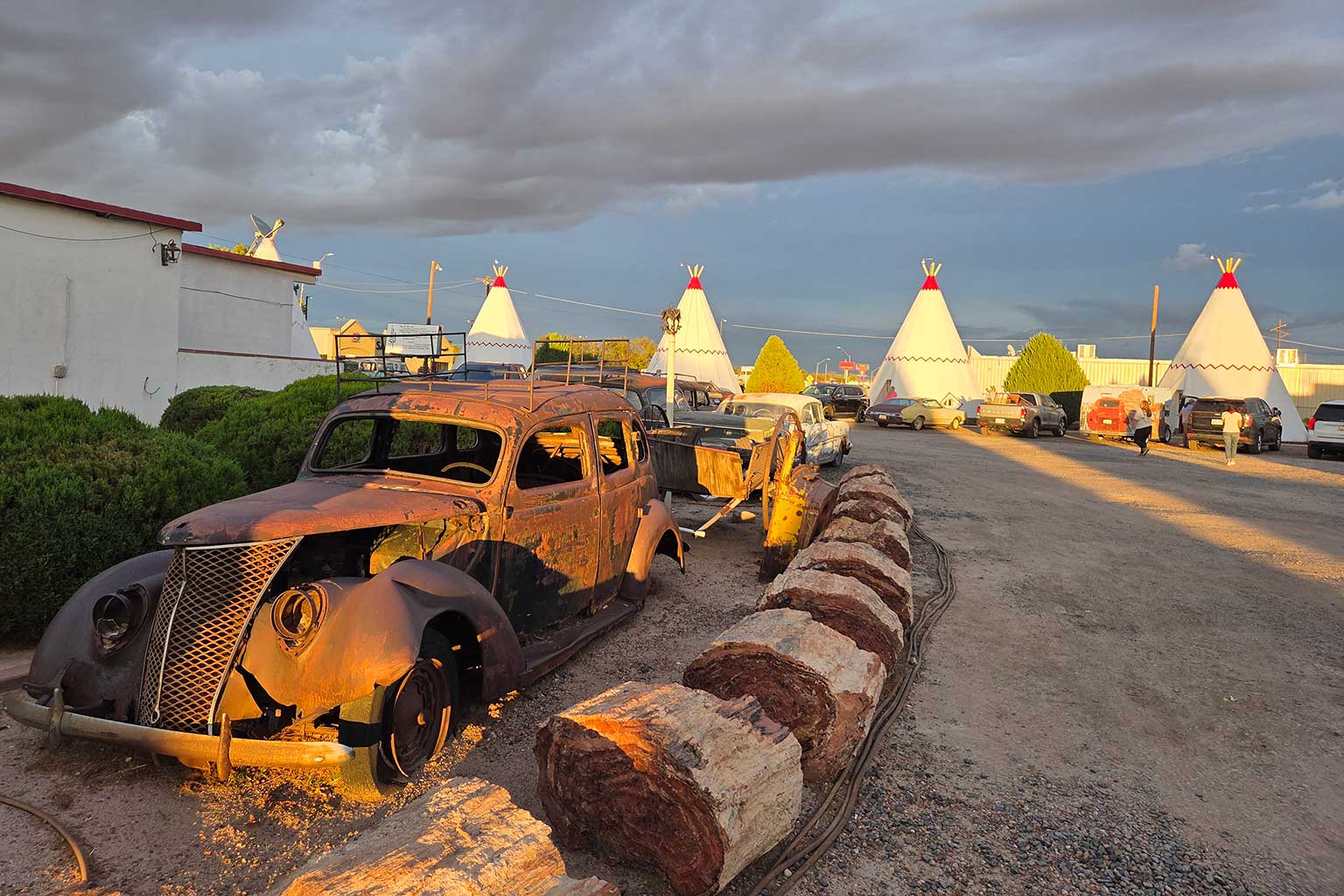
The first morning on Route 66 has a way of making ordinary life feel very far away. There is a coffee cup in your hand, a vintage motel sign glowing behind you, and hundreds of miles of open road waiting ahead. The best Route 66 road trip packages turn that feeling into a real, well-planned journey - without sanding off the spontaneity that makes America’s Main Street so special.
This is not a vacation built around checking landmarks off a list. It is a cross-country story told in neon, desert wind, roadside diners, small-town conversations, old filling stations, and the changing music of eight states. The right package lets you experience all of it while removing the worry of where to sleep, which sections of the historic road are worth taking, and how to make each day feel full without becoming exhausting.
What Route 66 Road Trip Packages Should Include
A meaningful Route 66 package is built around more than transportation and hotel reservations. It should follow the spirit of the old highway as closely as practical, leading you beyond interstate exits and into the places that gave the road its character. Think Chicago’s urban energy, Illinois cornfields, the Ozarks, Tulsa’s Art Deco streets, Texas panhandle horizons, New Mexico trading posts, Arizona’s red-rock country, and the final sweep toward the Santa Monica Pier.
The strongest itineraries also leave room for the unexpected. Route 66 is full of moments that do not fit neatly on a timetable: an extra conversation with a motel owner, a photo stop beside a faded mural, a slice of pie in a town you had never heard of before the trip. A package should give your days shape, not turn the journey into a race.
Hotels matter more than many first-time travelers expect. After a long day in the saddle or behind the wheel, a comfortable, well-located place to rest changes the entire experience. Carefully chosen accommodations help keep the trip enjoyable, especially on a full Chicago-to-Los Angeles route that can cover roughly 2,400 miles over two weeks or more.
Good planning also accounts for the practical realities of historic Route 66. The original road no longer exists as one unbroken highway. Some stretches are beautifully preserved, while others have been bypassed, renamed, or absorbed into modern roads. A specialist itinerary helps travelers find the authentic sections without wasting precious vacation days on confusing detours or forgettable miles.
Guided Motorcycle Packages: Ride With the Road
For many people, Route 66 begins with a motorcycle dream. It is the image of a Harley-style cruiser rolling through the American Southwest, the engine settling into a steady rhythm as the landscape opens wide. A guided motorcycle tour makes that dream feel bigger because it is shared. You ride with people who understand why the journey matters, while an experienced tour leader handles the daily route, hotel coordination, and the details that can otherwise pull attention away from the road.
The appeal is not just convenience. Guided groups create a sense of camaraderie that is hard to manufacture. By the time the trip reaches Arizona, fellow riders often feel less like strangers and more like part of the story. Meals become livelier, photo stops become shared memories, and the daily challenges of a long-distance ride are met with practical support.
This format is especially valuable for international visitors and riders taking on the United States for the first time. Navigating unfamiliar traffic patterns, long distances, changing weather, and motorcycle logistics can be intimidating from afar. With a professionally organized tour, the experience remains adventurous while the operational pressure is greatly reduced.
There are trade-offs, of course. A guided tour follows a group schedule, so you will not have the same freedom to linger for three hours in one quirky shop or change plans on a whim. For riders who want structure, support, and a shared sense of achievement, that is a fair exchange. For those who prefer to set every stop and departure time themselves, a self-guided journey may be the better fit.
Self-Guided Car Tours: Freedom With a Plan
A self-guided car tour offers a different kind of Route 66 freedom. You still travel with a thoughtfully designed route, planned overnight stops, and the confidence of knowing the important highlights are within reach. But the day belongs to you. Want to sleep in after a late night of live music in Tulsa? Pull over every time a weathered sign catches your eye? Spend an extra hour at the Grand Canyon? You can.
For couples, friends, and travelers who value comfort, a car can be the ideal way to experience the road. It provides protection from heat, rain, and high winds, along with room for luggage, souvenirs, and snacks collected along the way. It is also often a more cost-conscious option than a motorcycle tour, particularly for two people sharing one vehicle and accommodations.
Self-guided does not mean unsupported. The point of a well-built package is that someone has already done the hard work of shaping the route into a memorable journey. You receive the framework, the local knowledge, and a clear sense of where the real Route 66 experiences live. Then you take the wheel and make the trip personal.
Route 66 Tours INC has spent 14 years focusing on this road because the difference is in the details: knowing when to follow the old alignment, where a classic motel adds more to the experience than a generic chain, and how to balance landmark stops with the quiet stretches that make travelers fall in love with the American West.
Choosing the Right Length and Direction
The classic Route 66 journey runs from Chicago to Santa Monica, and it deserves enough time. A two-week trip can deliver a rewarding cross-country experience, but it moves at a purposeful pace. Travelers who want more time for museums, national parks, rest days, and small-town discoveries may prefer closer to three weeks.
Traveling east to west is the traditional direction and a favorite for good reason. The landscapes gradually widen, the weathered roadside architecture becomes more dramatic, and the approach to California feels like a fitting final chapter. Yet west to east has its own appeal, beginning at the Pacific and ending in the historic neighborhoods of Chicago. The best direction depends on flight options, seasonal weather, and the type of ending you want for your adventure.
Spring and fall usually offer the most comfortable conditions across much of the route. Summer brings long daylight hours and lively roadside energy, but desert heat can be intense, particularly for motorcyclists. Fall can be spectacular in the Midwest and Ozarks, while spring brings changing temperatures and the occasional storm. There is no perfect season for every mile of Route 66, which is part of what keeps the road honest.
Look Beyond the Price Tag
When comparing Route 66 road trip packages, look closely at what the quoted price actually covers. A lower starting price may leave travelers to arrange hotels, navigation, vehicle details, luggage arrangements, or key support services themselves. That may be exactly right for experienced independent travelers, but it is not the same product as a fully organized touring experience.
Ask how much of the historic route is included, how overnight locations are selected, and whether the itinerary allows time for major detours such as the Grand Canyon. For motorcycle travelers, understand the vehicle type, guide support, luggage arrangements, and what happens if weather or mechanical issues change the day. For car travelers, clarify vehicle choices, hotel standards, daily mileage, and how route guidance is delivered.
The most valuable package is not automatically the cheapest or the most luxurious. It is the one that matches your travel style and lets you spend your energy where it belongs: watching the road unfold through the windshield, feeling the miles beneath the tires, and recognizing that you are finally living the trip you have imagined for years.
Route 66 does not ask you to hurry. Give it the time, comfort, and sense of adventure it deserves, and the road will give you something far better than a vacation: a collection of stories you will still be telling long after the final sunset in California.