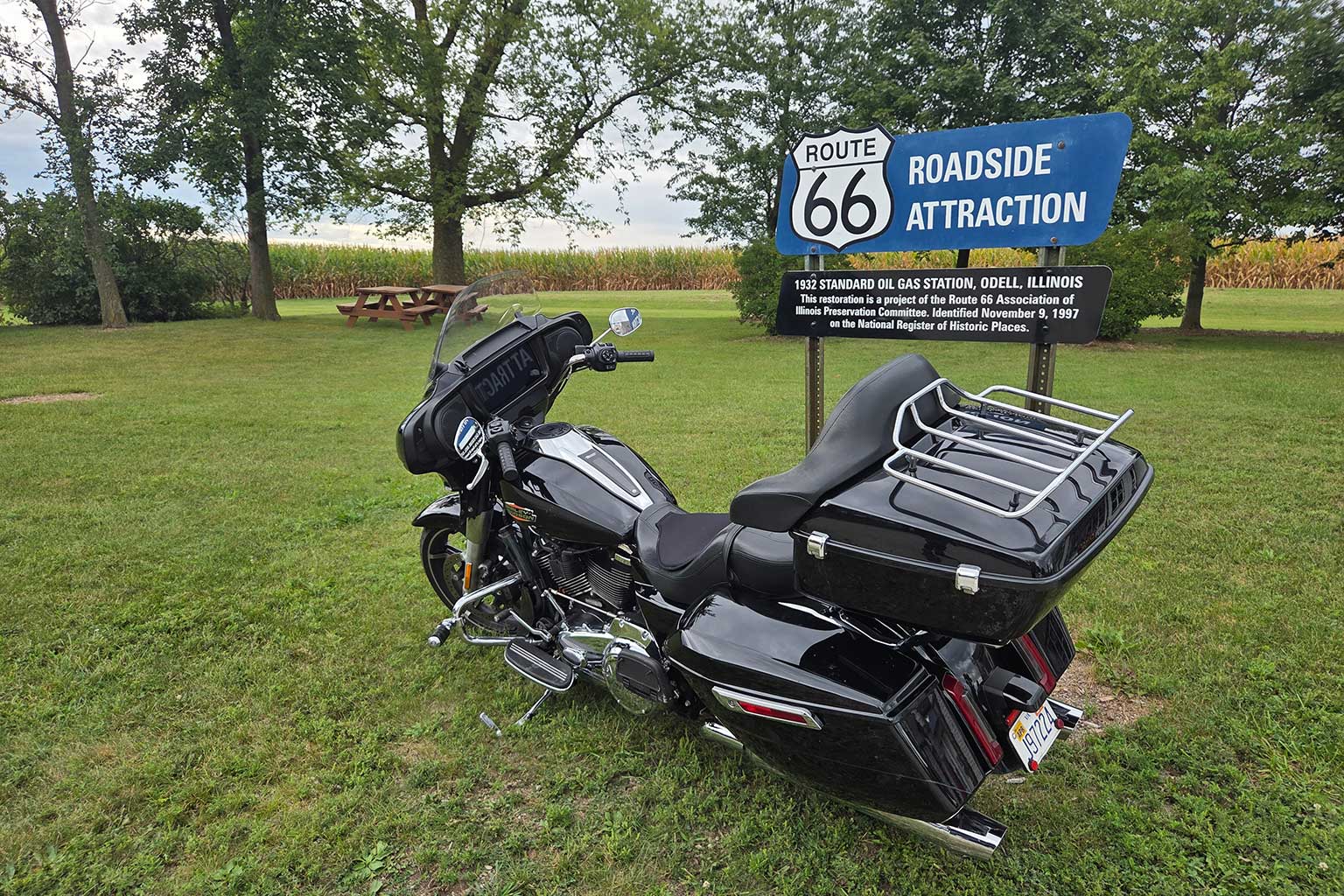
The biggest mistake people make on Route 66 is trying to turn it into a race. You can cross the country fast, sure. But a great route 66 self guided itinerary is not about ticking off state lines. It is about giving the road room to work on you - one neon sign, trading post, diner counter, desert overlook, and small-town main street at a time.
That is the beauty of doing Route 66 on your own schedule. You keep the freedom that made the Mother Road famous, but you still need a plan that respects the distance. The best self-guided itinerary balances momentum with curiosity. You want enough structure to keep the trip smooth, but enough flexibility to stop when a rusting gas station, a classic motel sign, or a stretch of empty highway suddenly feels like the whole reason you came.
What makes a good Route 66 self guided itinerary
A strong itinerary is not just a line from Chicago to Santa Monica. It is a rhythm. Some days should feel urban and energetic, with architecture, music history, and old roadside landmarks. Other days should open into prairie, forest, mesas, and desert where the miles stretch out and the silence becomes part of the experience.
For most travelers, 14 to 17 days is the sweet spot. Less than that, and too many stops become quick photos from a parking lot. More than that, and you can linger in the places that deserve it, especially in New Mexico and Arizona where Route 66 feels most cinematic. If you are flying in from overseas or treating this as a once-in-a-lifetime trip, it usually makes sense to give yourself the extra days.
Driving the full route westbound is still the classic choice. Chicago gives you that ceremonial beginning - the launch point, the skyline, the sense that something big is starting. California gives you a satisfying finish, where the long road finally meets the Pacific. Eastbound can be wonderful too, especially if your travel logistics are easier from the Southwest, but westbound carries the emotional arc most people picture.
A practical route 66 self guided itinerary by region
Trying to plan Route 66 town by town can get overwhelming fast. It is easier to think in regional stages, each with its own mood and pace.
Chicago to St. Louis
This opening stretch is where old Route 66 nostalgia starts to come alive. Chicago gives you the urban kickoff, and once you move into Illinois and Missouri, the road begins to reveal its older personality - brick main streets, vintage gas stations, local museums, and family-run diners that still feel tied to the road’s golden years.
This is not the section for huge scenic drama, but it matters more than many first-time travelers expect. It eases you into the story. Towns here carry the early heartbeat of Route 66, and it is worth giving yourself time to enjoy the roadside kitsch without rushing toward the desert.
Two or three days usually works well here, depending on how much time you want in Chicago and how often you stop.
St. Louis to Oklahoma City
This middle section starts broadening the landscape and deepening the Americana. Missouri, a corner of Kansas, and Oklahoma bring classic road-trip texture - restored stations, giant roadside icons, old motor courts, and stretches where the past feels only half a step away.
Oklahoma is especially important on any Route 66 trip. The road history is rich, the towns are welcoming, and there is a strong sense of continuity. It still feels like a highway people lived along, not just a route travelers pass through. If you are building your own itinerary, this is a good area to slow down for local museums and evening walks through historic districts.
Plan on two to three days through here, more if roadside history is a major reason for your trip.
Oklahoma City to Amarillo to Albuquerque
Now the journey starts changing shape. The landscapes grow wider, the sky gets bigger, and the road feels more elemental. Texas gives you a shorter slice of Route 66 than some travelers expect, but it is memorable - wind, open country, old service stops, and that unmistakable feeling of the Great Plains giving way to the Southwest.
Amarillo is a logical overnight point, and from there New Mexico begins to introduce a different color palette and cultural tone. Albuquerque is one of those cities that can be treated as a stopover or a real experience. If your schedule allows, make it the second option. The blend of Route 66 history, Southwestern style, and desert light makes it worth more than a late check-in and early departure.
This section works best with two nights minimum, though three is more comfortable.
Albuquerque to Flagstaff
For many travelers, this is where the dream of Route 66 becomes fully real. New Mexico has mood. Arizona has scale. The road carries you through red earth, trading posts, old signs, tribal lands, and stretches that feel almost mythic in late afternoon light.
You will also face one of the main trade-offs in any self-guided plan. Do you stay loyal to old alignments wherever possible, or do you use modern highways more often to save time? The honest answer is that it depends on your priorities. Historic alignments are often the soul of the trip, but they take longer. If this is your only chance to do Route 66, they are usually worth it. If weather, energy, or timing become an issue, strategic use of the interstate can help keep the trip enjoyable instead of exhausting.
Flagstaff is a smart overnight stop because it gives you mountain air, a walkable historic feel, and access to some of the most memorable Arizona sections of the route.
Flagstaff to Santa Monica
Arizona and California give Route 66 its grand finale. Before the Pacific, you still have some of the road’s most iconic desert mileage ahead of you. Towns like Williams, Seligman, and Kingman carry that classic roadside romance people travel across the world to see. This is the stretch of motels, chrome, old signage, sun-faded storefronts, and long horizons.
Then California shifts the mood again. The Mojave has a lonely beauty that deserves respect, especially if you are traveling in warmer months. Start earlier in the day, carry more water than you think you need, and never assume services will be right around the bend. That is part of the appeal of a self-guided trip - it feels independent and real - but it also means being sensible.
Arriving at Santa Monica is emotional for a reason. After days of roadside history and changing landscapes, the ocean feels like a reward you earned. Give yourself time there. Do not make the final day just a finish line photo.
How many miles per day is realistic?
This is where many self-guided Route 66 plans go wrong. On paper, 250 miles can sound easy. On Route 66, 250 miles can become a full day once you add museum visits, scenic detours, photo stops, meals, traffic around major cities, and time spent following older alignments instead of the fastest roads.
For most travelers, 180 to 250 miles a day is comfortable. A few longer driving days are fine, especially in the middle of the trip, but if every day is heavy, the road starts to feel like work. You want enough energy left to enjoy the evening in each town, because Route 66 is not just about the drive. It is about the old theater marquee after sunset, the jukebox in the diner, and the feeling of staying somewhere with history in the walls.
When to go and what to watch for
Spring and fall are usually the strongest seasons for a full Route 66 trip. Temperatures are kinder, the light is beautiful, and the desert sections are more comfortable. Summer brings long days, which helps with sightseeing, but the heat in the Southwest can be serious. Winter can be magical in places, but it adds risk in higher elevations, especially around northern Arizona and New Mexico.
Weather is one of the biggest variables in a self-guided itinerary. So is your own travel style. Some couples want long lunches, antique shops, and historic hotels. Others want to cover ground and spend more time on scenic pull-offs and roadside photography. Neither approach is wrong. The point is to shape the route around the trip you actually want, not the one you think you are supposed to take.
That is why a professionally organized self-guided format can make such a difference. You still have the freedom of independent travel, but the route, pacing, and key overnight logic are thought through by people who know where travelers tend to rush, where they should linger, and where the road itself tells the story best.
A route 66 self guided itinerary should leave space for surprise. A great one also protects you from preventable stress. Get the pacing right, respect the distances, and let the road unfold in its own order. Somewhere between Chicago and the Pacific, Route 66 stops being a famous highway and starts feeling personal. That is when you know the trip is working.