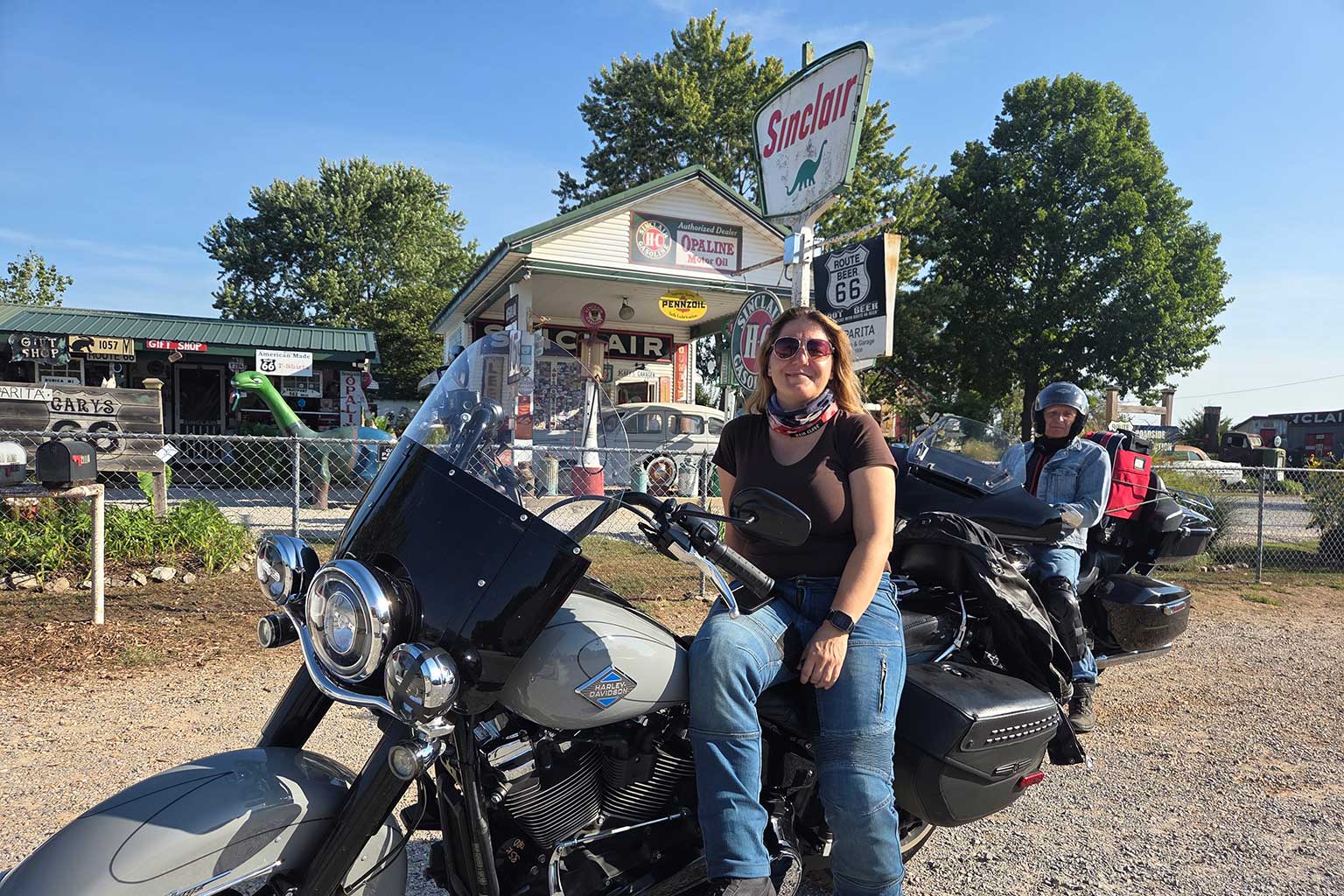
The first morning on Route 66 can feel like a scene you have carried around for years: your bike warming beneath you, a wide American sky overhead, and a road leading west toward diners, neon signs, desert horizons, and stories that cannot be found on an interstate. Knowing how to choose a Route 66 motorcycle tour is what turns that dream into a ride you can truly enjoy, rather than a complicated logistics project with a motorcycle attached.
The right trip is not automatically the longest, the cheapest, or the most luxurious. It is the one that fits the way you ride, the amount of freedom you want, and the kind of memories you hope to bring home.
Start With the Ride You Want to Remember
Route 66 stretches from Chicago to Santa Monica, crossing eight states and roughly 2,400 miles of American history. That scale is part of its magic, but it also means every rider needs to decide what “the full experience” means personally.
Some riders want the complete coast-to-coast journey: the city streets of Chicago, the rolling Ozark country, Oklahoma’s open plains, the red rock country of New Mexico and Arizona, and California’s final run to the Pacific. Others have less time and want to focus on the Southwest, where long desert roads, historic motels, and dramatic landscapes deliver a concentrated dose of Route 66 spirit.
Think beyond mileage. Do you want to stop often for old service stations, roadside murals, local cafes, and small-town conversations? Or does your ideal day mean settling into the saddle and watching the landscape change mile by mile? A well-designed itinerary leaves room for both. Route 66 is not a road to rush.
Choose Guided or Self-Guided Based on Your Travel Style
This is usually the biggest decision. A guided motorcycle tour is ideal for riders who want the open-road feeling without carrying the weight of daily planning. Your route, accommodations, key stops, and luggage logistics are organized, while an experienced tour leader helps the group find the places that are easy to miss when traveling independently.
Guided travel also brings a special kind of camaraderie. By the end of a long riding day, sharing stories over dinner with people who understand why you crossed an ocean or a continent to ride the Mother Road becomes part of the adventure. For solo riders, couples, and international guests, that sense of connection can be as valuable as the route itself.
A self-guided tour suits riders who prefer a more independent rhythm. You may want longer mornings in a favorite town, unscripted detours, or the freedom to linger when a vintage sign, a great cup of coffee, or a quiet stretch of road catches your attention. The trade-off is that you need to be comfortable making more decisions along the way, even with a planned itinerary in hand.
Neither choice is better. It depends on whether organization gives you peace of mind or whether flexibility is the very reason you ride.
Match the Motorcycle to the Miles
Route 66 is a long-distance ride, not a short weekend loop. Comfort matters. Many travelers picture the journey on a Harley-Davidson-style touring motorcycle for good reason: these bikes are made for broad highways, long days, luggage, and the unmistakable feeling of rolling across America on two wheels.
When considering your motorcycle, look at your actual riding experience rather than the image in your head. A large touring bike is comfortable and stable at speed, but it is also heavier at parking lots, gas stations, and low-speed turns. If you regularly ride a similar machine, it may be a natural choice. If you are stepping up from a smaller motorcycle, give yourself time to get comfortable before departure.
Consider passenger comfort, too. A cross-country ride asks a lot of the person on the back seat. A proper passenger seat, backrest, secure luggage arrangement, and regular breaks can make the difference between a trip your partner endures and one you both treasure.
You should also ask what is included with the bike. Saddlebags, a windshield, roadside support, and insurance options are not glamorous details, but they shape the road experience every day. The best motorcycle is the one that lets you focus on the roadside landscapes, not your aching shoulders or where to put a rain layer.
Be Honest About Your Riding Pace
A Route 66 motorcycle trip requires endurance, but it should not feel like a test of endurance. Daily distances vary by itinerary, road conditions, weather, and the number of planned stops. A 200-mile day on an empty western highway feels very different from 200 miles threaded through city traffic, heat, construction, and photo stops.
Ask how many riding days are involved and what an average day looks like. A good tour balances substantial time in the saddle with moments that give the road meaning. You should have time for Cadillac Ranch in Texas, a walk through historic downtowns, a meal at an old-school diner, and a few unexpected discoveries along the way.
Newer long-distance riders often benefit from an itinerary with manageable mileage and built-in rest days. Experienced riders may be happy with a faster pace, but even they should remember that Route 66 rewards curiosity. The road is full of details that disappear when every day is measured only by the next hotel.
Look Closely at Season and Weather
The weather changes dramatically from Illinois to California. Spring and fall often offer the most comfortable overall conditions, but they come with their own variables. Spring can bring rain, wind, and cooler temperatures in the Midwest. Fall can bring crisp mornings and beautiful light, while daylight hours grow shorter.
Summer delivers long days and a classic road-trip atmosphere, but the Southwest can be intensely hot. Desert riding is unforgettable when prepared for it: breathable protective gear, hydration, sunscreen, and sensible timing all matter. Sudden storms are possible in many states, especially during monsoon season in the Southwest.
Do not choose a departure date based only on the forecast where you live. You are crossing multiple climate zones. Pack layers, waterproof gear, and riding equipment that works from a chilly early morning to a sun-baked afternoon. The changing weather is part of the journey, but it is far more enjoyable when you are ready for it.
Understand What Your Tour Price Really Covers
A lower advertised price can be tempting, but compare the full experience before deciding. Motorcycle rental, fuel, lodging, guide services, luggage handling, entrance fees, breakfasts, dinners, insurance, and airport transfers can all affect the real cost.
The question is not simply what you are paying. It is what you are no longer required to organize while traveling across a country. A thoughtfully arranged tour can save hours of research and remove the uncertainty of finding suitable accommodations after a long day on the road.
Ask about hotel standards and locations. Route 66 is at its best when overnight stops feel connected to the character of the road, whether that means a historic property, a friendly local motel, or a comfortable hotel close to the next day’s route. Also ask about group size. A smaller group often feels more personal and moves more easily through fuel stops, meals, and attractions.
Choose Specialists Who Know the Road Beyond the Map
Anyone can create a route between Chicago and Santa Monica. A Route 66 specialist knows why a particular detour is worth it, where an original alignment still survives, and which towns deserve more than a quick photo from the saddle.
Experience matters when plans change, too. Road construction, desert heat, mechanical questions, and weather do not need to spoil an adventure when the people organizing it understand the realities of American road travel. At Route 66 Tours INC, that knowledge comes from years spent building journeys around this road and the people who come to ride it.
Before booking, look for clear answers about the itinerary, riding requirements, support, accommodations, and what happens if conditions force a change. Warm, personal service is a good sign. So is an organizer who speaks honestly about what the trip demands.
Give Yourself Permission to Make It Meaningful
The best Route 66 motorcycle tour is not defined by a checklist of famous stops. It is defined by the moment you pull into a town you had never heard of, hear music drifting from an open doorway, and realize you are not merely traveling through America. You are experiencing it at the speed of the road.
Choose a tour that gives you confidence in the practical details, then leave room for the moments no itinerary can predict. That is where the Mother Road does its best work.